What’s Emerging in Color, Species, and Design
By Rachel Astorga, Landscape Designer
 As commercial properties evolve, so do the landscaping trends that define them. In 2026, we anticipate a continued shift toward landscapes that strike a balance between aesthetic appeal, sustainability, and year-round functionality. From bold new color palettes to innovative plant selections and modern design styles, these trends are transforming how we create welcoming and memorable outdoor environments.
Sustainable and Low-Maintenance Varieties
Sustainability is no longer optional; it’s the new baseline. Plant selection is increasingly driven by climate adaptability, ecological benefits, and long-term maintenance efficiency. Designers are prioritizing native and regionally adapted species that thrive with minimal inputs.
For commercial properties, sustainable plantings translate to tangible benefits: reduced irrigation and fertilizer needs, fewer pest issues, and lower long-term costs. They also communicate corporate environmental responsibility, which has become a priority for tenants, visitors, and investors alike.

Drought‑tolerant perennials like ornamental grasses, coneflowers, and Salvia deliver color, texture, and pollinator support with little maintenance. Shrubs such as Inkberry Holly, Winterberry, and Arrowwood Viburnum provide year-round structure while supporting local wildlife. Trees that deliver multi-season appeal—such as Serviceberry, Redbud, and Ginkgo—add canopy and seasonal interest, improving shade, air quality, and stormwater management.
Vibrant, Layered Color Palettes
Next year’s color trends for commercial landscapes are all about depth, contrast, and complexity. A cohesive palette can align with company colors, evoke emotion, and convey a sense of care and professionalism. Whether the goal is to create a bold, energetic frontage or a serene, restorative courtyard, color has become a strategic design tool rather than just an aesthetic choice.
Landscape designers are also embracing seasonal rotation and succession planting, ensuring color continuity from spring through winter. Bulbs and cool-season annuals give way to heat-tolerant perennials and ornamental grasses, maintaining visual energy even in challenging climates.
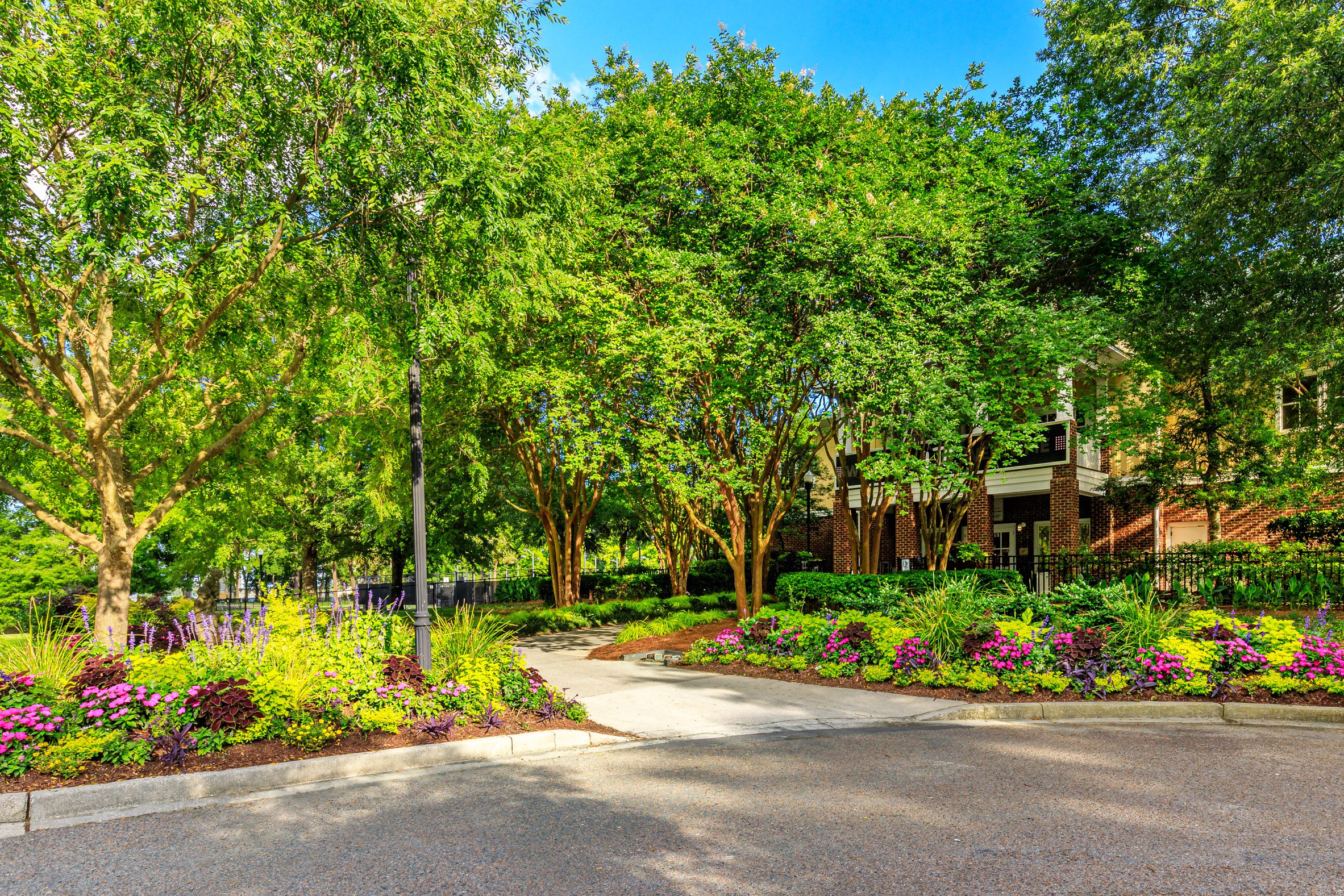
While classic greens will remain the foundation, expect to see jewel tones and richly saturated hues making their way into planting palettes. Deep purples from Black Knight Butterfly Bush or American Beautyberry, velvety burgundies from Loropetalums, and vibrant oranges from Fire Chief Arborvitae or Candy Corn Spirea are taking center stage. These intense shades are often paired with softer, muted companions—silvery-gray foliage from Lavender, Lamb’s Ear, and pale blues and smoky lavenders from May Night Meadow Sage and Cat’s Pajamas Catmint—to create layered, high-impact color stories that evolve through the seasons.
Layered, Textural Design Styles
Design trends are moving away from static, single-layer plantings toward multi-dimensional, immersive landscapes that invite movement and discovery. This style—often described as “curated wildness”—merges naturalistic planting principles with the precision required in commercial spaces. This approach also enhances biodiversity and microclimate health, supporting pollinators, reducing heat gain, and creating a more comfortable, engaging outdoor environment for people.
While geometric layouts and clean edges will continue to define many corporate landscapes, designers are softening those frameworks with layered plant masses, naturalized drifts, and organic borders. The result is a landscape that feels both professional and welcoming—a visual blend of order and spontaneity that resonates with today’s preference for authenticity and connection to nature.
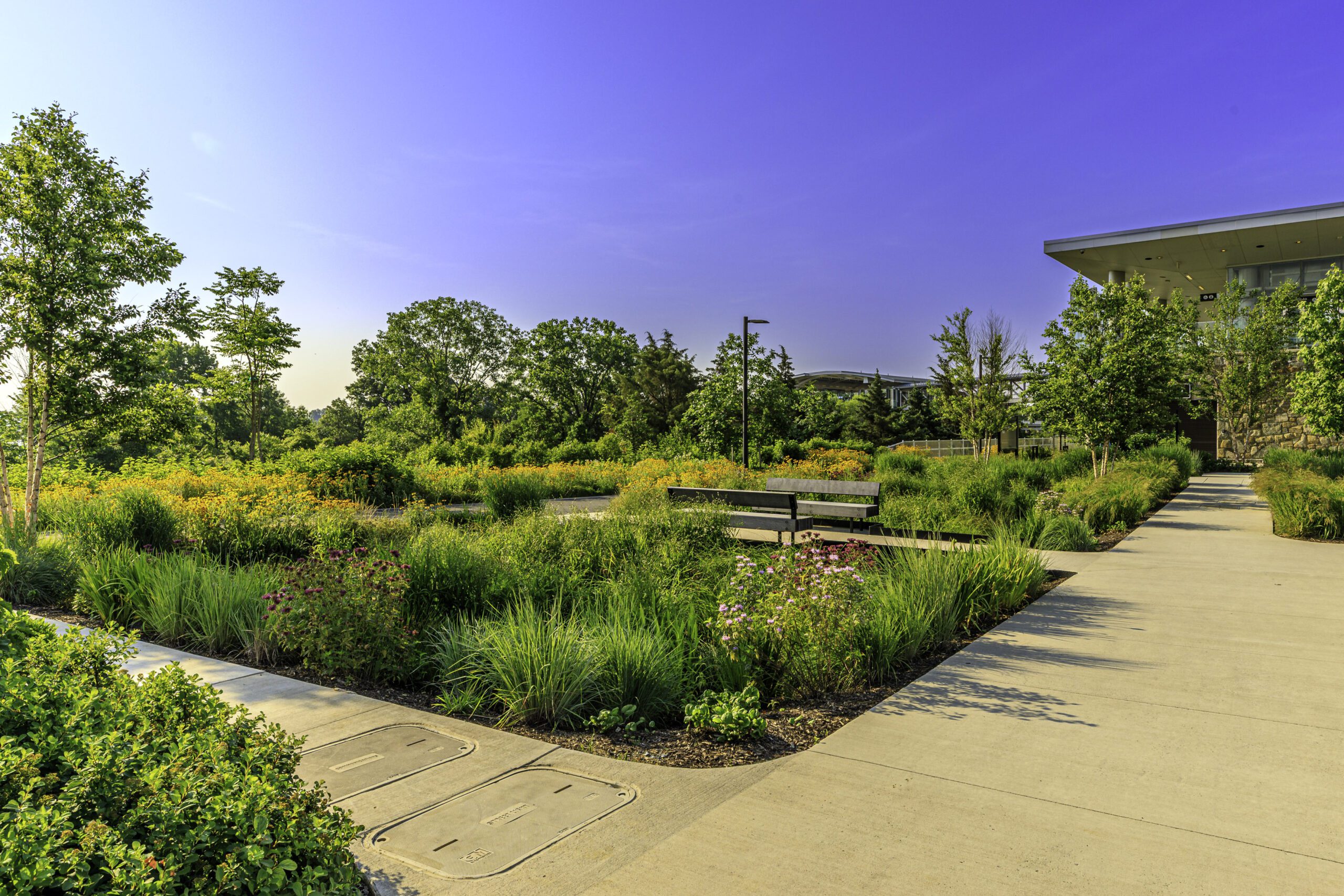
“Living art” landscapes use plants as textures and brushstrokes, blending upright grasses, mounding perennials, and evergreen anchors to form compositions that shift with the seasons.
Looking Ahead
Commercial properties that embrace these emerging trends will create outdoor spaces that are not only visually compelling but also environmentally responsible and adaptable. The result is a landscape that will inspire and endure, providing beauty throughout every season while supporting ecological health and reducing maintenance demands. As horticulture professionals, our challenges and opportunities lie in bringing these trends to life—creating spaces that look great, perform beautifully, and tell a story of stewardship and creativity in every detail.