
As we move into late summer, pond and lake managers are seeing a combination of environmental conditions that can make algae and aquatic vegetation management especially challenging.
Hot water temperatures create an ideal environment for algae growth. Warm, sunny conditions can accelerate algae production while also affecting dissolved oxygen levels in the water. Because dissolved oxygen is critical to fish health and overall pond balance, managing algae during periods of high-water temperatures requires careful consideration of both treatment effectiveness and water quality.
This year, weather patterns have added another layer to the challenge. A severe drought early in the year left many ponds with abnormally low water levels. When water levels drop, sunlight penetrating the water column can reach areas of the pond bottom that are normally shaded by deeper water. This increased sunlight can stimulate the growth of both algae and rooted aquatic weeds, particularly in shallow areas around the pond.
 Low water levels also concentrate existing nutrients in a smaller volume of water. Combined with increased sunlight and warmer temperatures, these conditions can create an environment where algae and aquatic vegetation have an opportunity to establish and grow more aggressively.
More recently, our more normal pattern of heavy thunderstorms has helped restore water levels—but they can also introduce an influx of nutrients through stormwater runoff. Nitrogen, phosphorus, and other nutrients carried into a pond from surrounding properties and drainage areas can provide additional fuel for algae growth.
Algae and weed management are not simply about treating what is visible on the surface. Effective management means considering the entire pond environment. Water temperature, dissolved oxygen, nutrient loading, weather patterns, water depth, and the type and amount of algae or vegetation present are all factors in effective management.
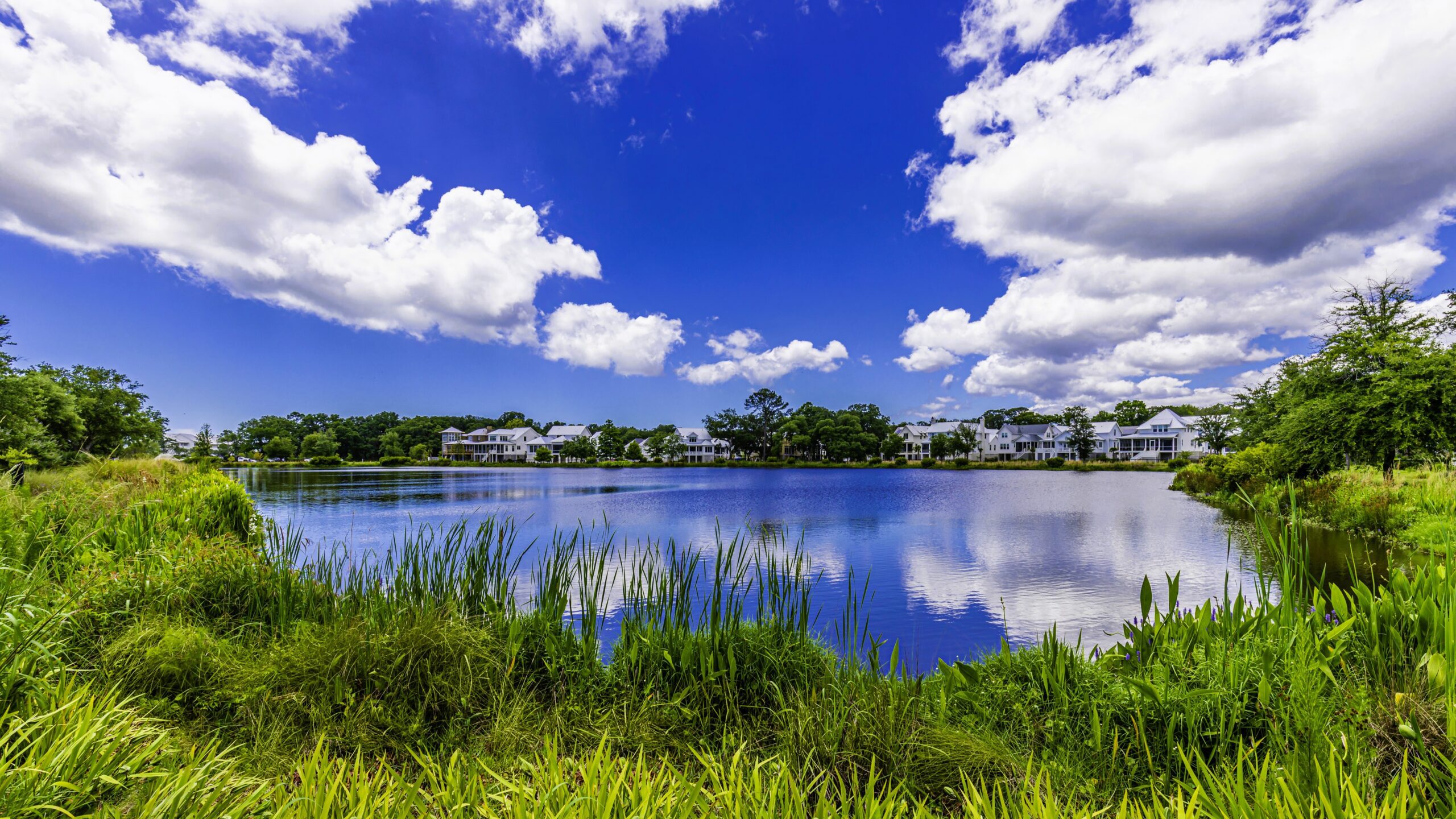
During challenging summer conditions, timing and treatment strategy become especially important. In warm water with elevated algae levels, treatments must be carefully planned to avoid creating an excessive demand for oxygen as algae dies and decomposes.
Our goal is not simply to react to an algae bloom when it appears. Good pond management means understanding the conditions that contribute to algae and aquatic vegetation growth and responding proactively while protecting the overall health of the pond.
Weather is something we cannot control, but we can respond to changing conditions with informed management practices. Regular monitoring, appropriate treatments, and proactive maintenance can help identify developing problems early and improve the long-term health and appearance of your pond or lake.
Click here to learn more about our aquatic management services.